 |
Where stories begin.
|
Where stories begin.
/ essay
Bridges
A real home for a story — its characters, media, excerpts, artifacts, shop, reading pathways, connected worlds, and the strange little doors that lead from one story to another.
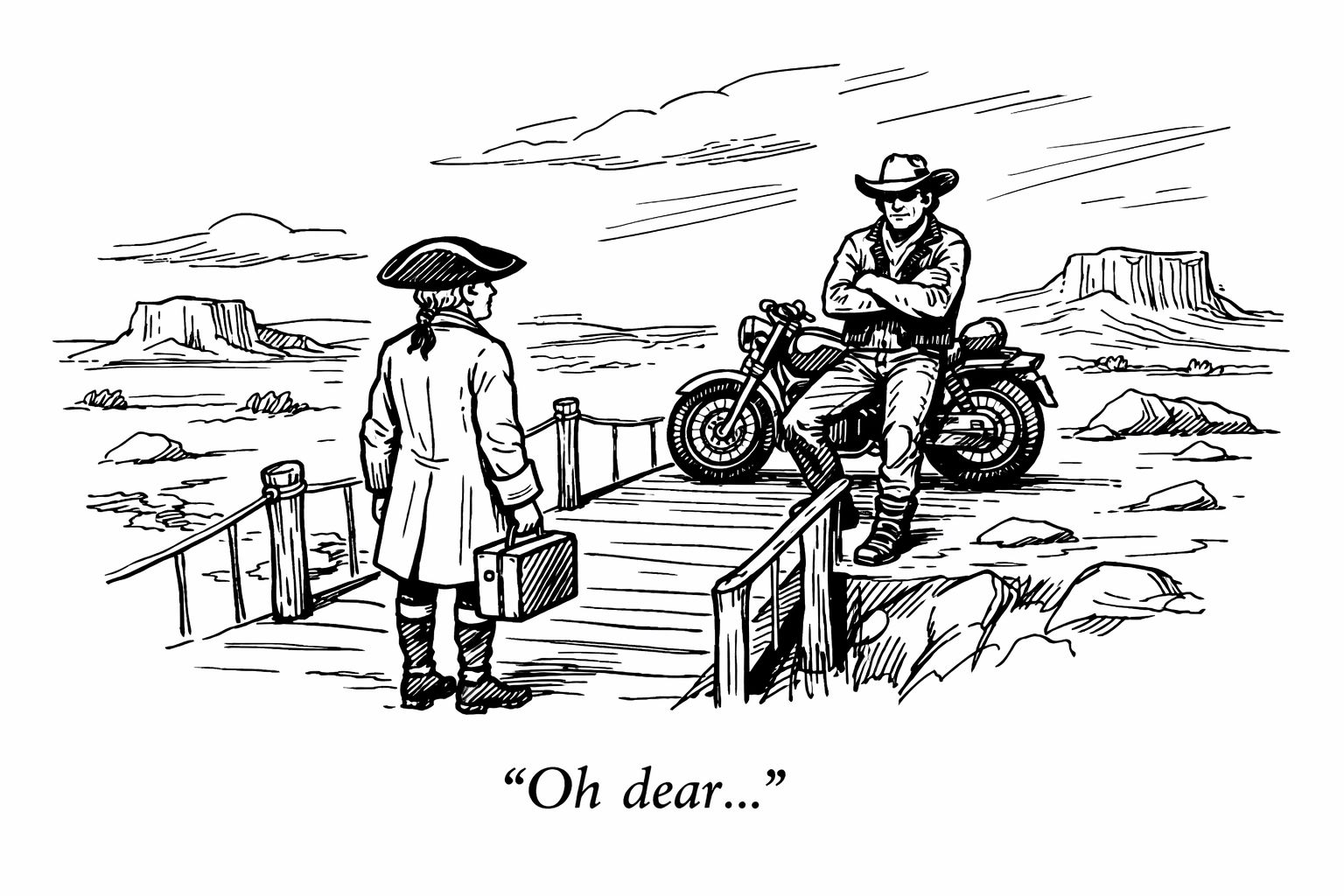
That is the theory behind Gilded Bard.
Not another platform where writers perform. A home where books become places.
Books are not flat objects. They are containers. They hold cities, ghosts, songs, rooms, families, rituals, weather systems, betrayals, diners, gods, monsters, lovers, crimes, histories, and private jokes only the author knows are there.
I have a book coming out soon titled Ceremony of Fire — rich with world-building, cityscapes, rituals, glass towers, surveillance, rebellion, and the strange emotional weather of Avalon.
Now imagine that world built out visually. First in 2D. Eventually in 3D. A city readers can move through, not because the book needs a video game, but because the story already contains spaces worth entering.
Inside that city is an odd little art gallery called ERIS.
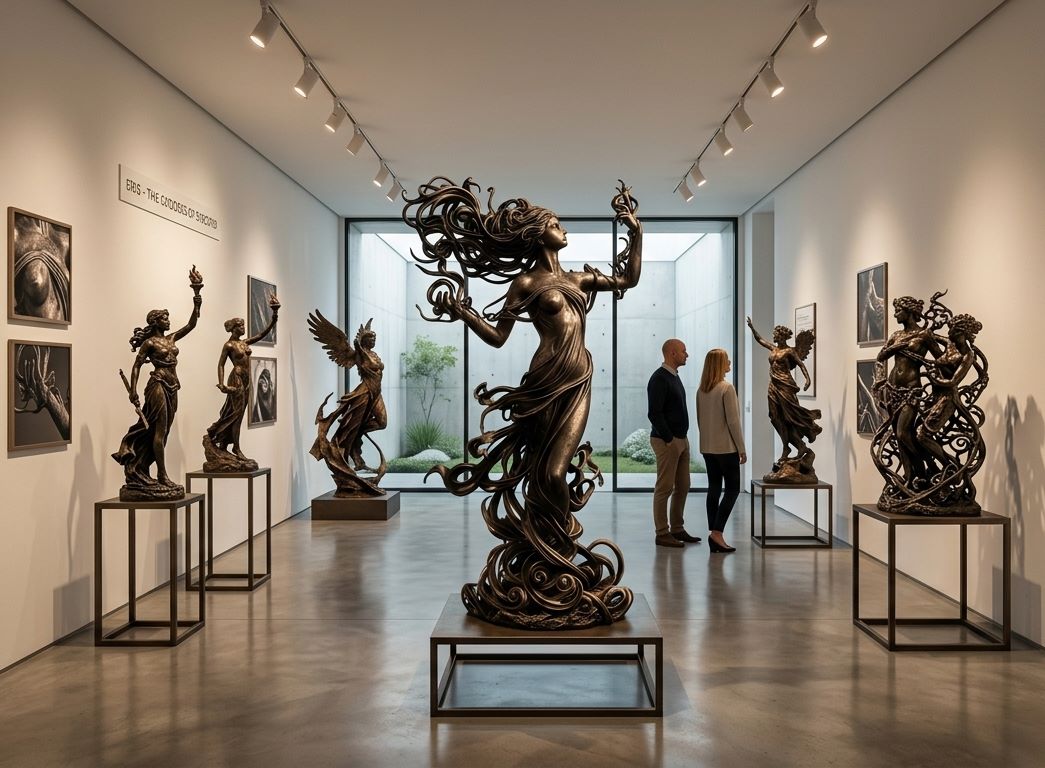
ERIS — Ceremony of Fire
Inside ERIS is an installation: sculptures of the goddess Eris built from corten steel, rusted and severe, beautiful in the way damaged things can be beautiful. The installation belongs thematically to Ceremony of Fire. It feels native to Avalon. It carries the right heat, the right fracture, the right sense of divine mischief inside a controlled city.
But ERIS isn’t of that world.
It is an artifact from another book entirely — A Light and Tragic Love Story, set in Southern California in 2007.
So while a reader is walking through the world of Ceremony of Fire, they encounter a piece of art that opens a quiet door into another story.
A Bridge.The world of one book touches the world of another because the writer built those connections deliberately.
It addresses the central problem with modern storytelling: stories, websites, and marketing efforts are mostly siloed.
Discovery should not be algorithmic. It should be architectural, thematic, and rich. It can move the reader beyond the page and into the world.
The sublime and the mundane can both be true.
Here is what this looks like in practice.
Dread the book has a home on Gilded Bard. Its story page, characters, media, excerpts, shop, and more. There’s also a connection to its Bridge: dreadtoday.com.
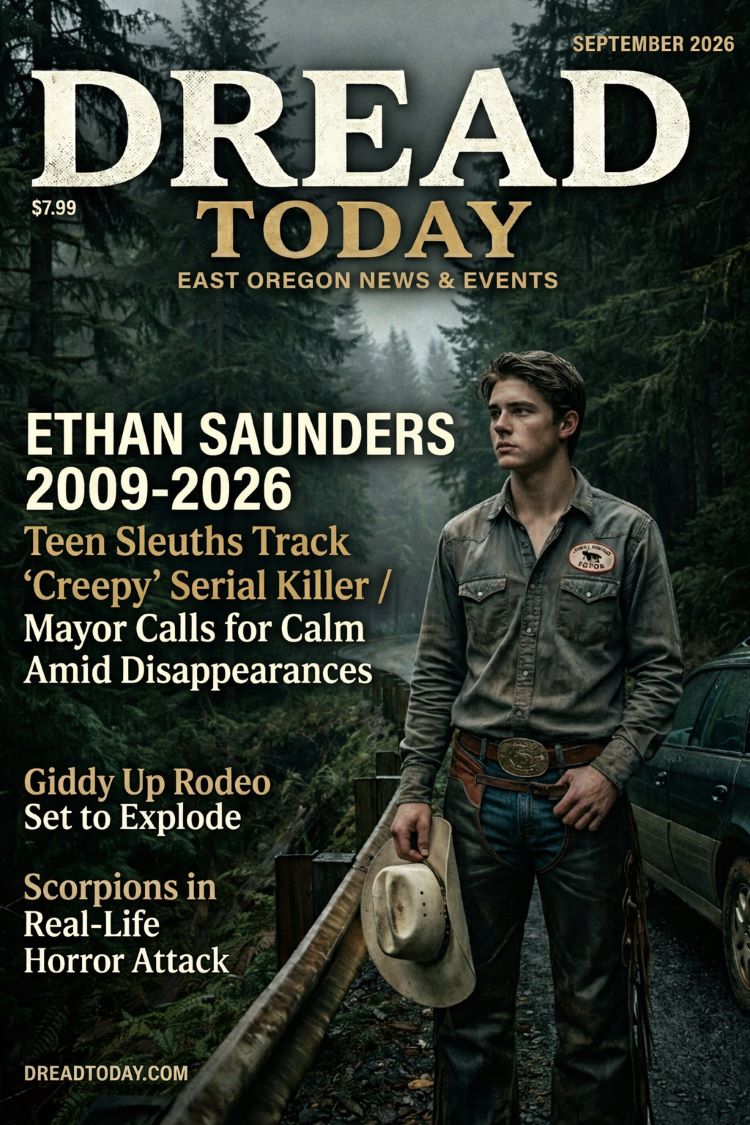
Dread Today — dreadtoday.com
Dread Today is a lifestyle magazine featuring “real” stories about the characters in the book, along with feature articles that all lead back to Asugoh, where you can start reading.
Amid those articles is one about Gerry McCauliffe — a 52-year-old man on a book tour, hawking his book about forgiveness and change through the same county where Dread is set.
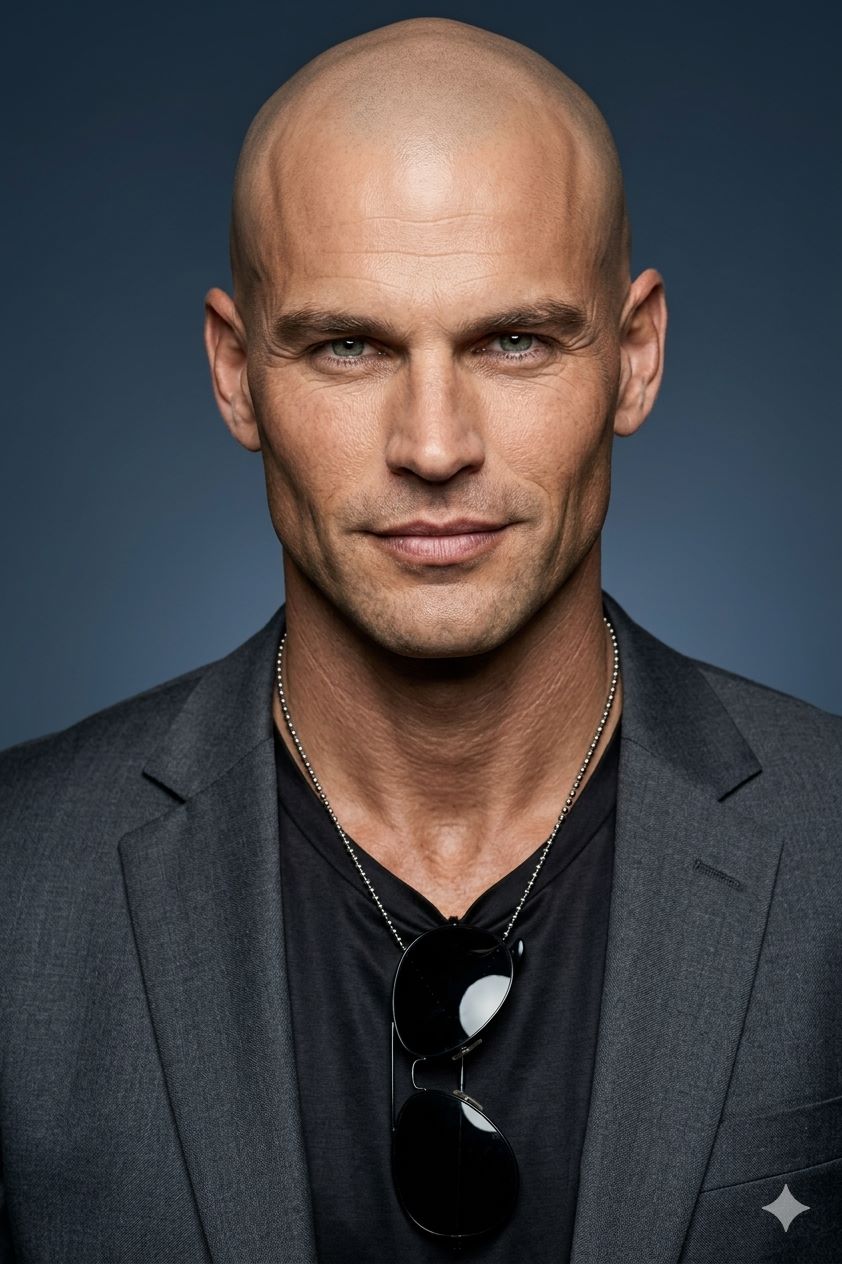

Gerry McCauliffe — then and now
Gerry is the main character in A Light and Tragic Love Story. He has just been released from a twenty-year prison sentence after the tragic events of that book in 2007.
A Light and Tragic Love Story’s Bridge is a fake gossip site circa 2007 — editorial pieces, gossip, images, and video from inside the world of the novel.
There is also an article about a young woman from the East Coast who moved to Dread, Oregon, opened a bakery called Yummy Crumbs, and married her Marine Corps fiancé — just as the housing market collapsed around them.
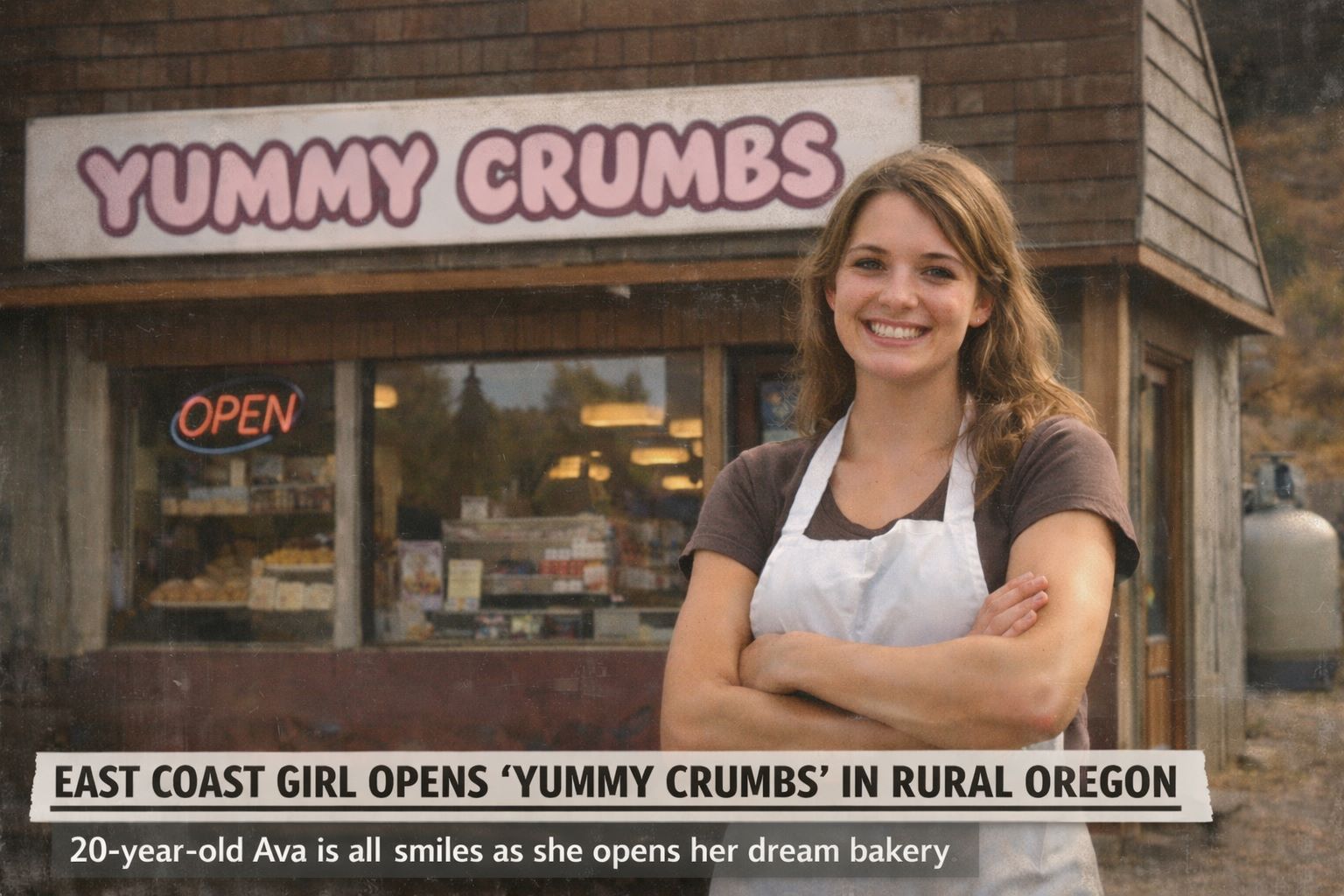

alightandtragiclovestory.com — 2007
Her story contains the seeds of what happens in Dread years later.
It will not make sense at first.
But when you look back on the Easter egg, you realize the reason for the plot of Dread was right there.
Both worlds are now connected. The timelines touch. The themes match.
This is what Bridges do.
They let stories touch without collapsing into each other.
They give readers another way in.
They give writers another way to build value around the work they already made.
/ the ip argument
Consider the landscape for a moment.
Music has videos, concerts, merchandise, licensing, sync deals. Paintings have galleries, prints, installations, auctions. Films are the exploitation of the IP — they exist as spectacle.
Books, unless adapted into film or television — a process the writer rarely controls and almost never profits from proportionally — exist as text on a page and a cover on a shelf.
The world inside the book. The characters, the cities, the artifacts, the lore, the emotional architecture a writer spent years constructing. Rarely does it find a home beyond the page. Rarely does it generate revenue. Rarely is it staked as the writer’s own territory.
It represents perhaps the largest body of underexploited IP in the creative economy.
Writers build worlds for a living. We just never learned to claim them.
This is not just a literary idea. It is a technology idea.
The tools are changing fast. Visual world-building, lightweight 3D environments, AI-assisted asset generation, interactive maps, audio, video, character archives, story objects, and reader pathways are becoming easier to build every year.
What used to require a studio will soon require taste, structure, and an intentional system.
That is good news for writers.
Not because every book needs to become a game.
Not because every novelist needs to become a technologist.
But because stories have always been bigger than the formats available to hold them.
Writers build worlds for a living. Now it is time to show what those worlds are worth — on our terms.